Table of Contents
- Key Takeaways
- Quick Verdict
- Product Overview & Specifications
- Real-World Performance & Feature Analysis
- Design & Build Quality
- Performance in Real Use
- Ease of Use & Setup
- Durability & Reliability
- Pros & Cons
- Comparison & Alternatives
- Buying Guide / Who Should Buy
- FAQ
- Can the LG Sound Suite M7 truly replace a 5.1 surround system?
- How does the M7 handle music versus movie content?
- Is the Dolby Atmos effect noticeable in everyday viewing?
- What’s the real advantage of Wi-Fi over Bluetooth?
- Is the LG Sound Suite M7 worth $300 in 2026?
You’re looking at the LG Sound Suite M7 because you’ve heard the hype about Dolby Atmos and spatial audio, but you’re skeptical. Can a single speaker unit truly deliver that immersive, three-dimensional sound experience without a complex multi-speaker setup? I’ve spent weeks testing this speaker in real living rooms, home offices, and entertainment spaces to answer exactly that question.
The promise is compelling: premium audio quality with the simplicity of a single wireless speaker. But the reality often falls short with products in this category. Many so-called ‘spatial audio’ speakers offer little more than slightly widened stereo separation. The LG Sound Suite M7 positions itself differently, leveraging LG’s TV audio expertise and genuine Dolby Atmos certification to create something that bridges the gap between soundbars and full home theater systems.
In this review, I’ll break down exactly what the M7 delivers in practical terms—not just technical specifications, but how it performs when you’re watching movies late at night, streaming music during weekend gatherings, or trying to create a more immersive gaming experience. I’ll show you where it excels, where it falls short, and most importantly, help you determine if it’s the right audio upgrade for your specific needs and space.
Key Takeaways
- Genuine Dolby Atmos immersion from a single unit, though ceiling effects are more subtle than full systems
- Surprisingly robust Wi-Fi connectivity that outperforms Bluetooth for multi-room setups
- Premium build quality that looks more expensive than its price point suggests
- Limited bass extension may require a subwoofer for home theater enthusiasts
- Ideal for medium-sized rooms but struggles to fill very large open-plan spaces
- Simple setup process makes it accessible for non-tech-savvy users
Quick Verdict
Best for: Urban apartment dwellers, mid-sized living rooms, users upgrading from TV speakers or basic soundbars, those wanting Atmos immersion without wiring multiple speakers.
Not ideal for: Large open-plan spaces, audiophiles seeking reference-quality music reproduction, users needing thunderous bass for action movies.
Core strengths: Authentic Dolby Atmos processing, elegant design that disappears into décor, reliable Wi-Fi streaming, straightforward setup.
Core weaknesses: Bass lacks physical impact, voice assistant integration can be inconsistent, limited connectivity options beyond Wi-Fi.
Product Overview & Specifications
The LG Sound Suite M7 sits in an interesting space between premium soundbars and dedicated home theater systems. Unlike many wireless speakers that simply upmix stereo content, the M7 features dedicated upward-firing drivers alongside front-facing units, creating genuine height channels for Dolby Atmos content. This isn’t just marketing terminology—the speaker contains the processing power and driver configuration to decode and render object-based audio.
What surprised me during testing was how LG has optimized this speaker for real-world living spaces rather than perfect acoustic environments. The auto-calibration feature, while not as sophisticated as some high-end systems, does a respectable job of adapting the sound to your room’s acoustics. This makes it particularly valuable for rooms with challenging layouts or mixed surface types.
| Specification | Details |
|---|---|
| Audio Format Support | Dolby Atmos, Dolby Digital Plus, PCM |
| Connectivity | Wi-Fi 5, Bluetooth 5.0, Optical Input |
| Driver Configuration | Upward-firing + front-facing array |
| Multi-Room Support | LG Music Flow, Chromecast built-in |
| Voice Assistant | Google Assistant, Amazon Alexa compatible |
| Dimensions | 28.3″ x 4.7″ x 4.3″ (W x H x D) |
| Weight | 8.6 lbs |
| Warranty | 1 year limited |
The spec sheet tells only part of the story. What matters more is how these technical capabilities translate to daily use. The Wi-Fi 5 connectivity, for instance, means more stable high-quality audio streaming compared to Bluetooth, especially important for lossless audio services. The omission of HDMI eARC is noticeable though—you’ll need to use optical audio or Bluetooth for TV connectivity, which limits some high-bandwidth audio formats.
Real-World Performance & Feature Analysis
Design & Build Quality
The M7 immediately feels premium when you unbox it. The matte black finish resists fingerprints better than the glossy surfaces common in this category, and the metal grille provides both protection and visual sophistication. I’ve had the speaker positioned in a high-traffic area for three weeks, and it still looks brand new despite occasional dusting.
What matters in practice: The slim profile means it fits comfortably on most media consoles without obstructing your TV screen. The weight distribution is excellent—it stays firmly planted even when cables are tugged accidentally. The touch controls on the top panel are responsive but minimalistic; you’ll primarily control the speaker through the app or voice commands.
The included power cable is generously long (6 feet), which provides flexibility in placement. However, the lack of cable management channels means you’ll need to plan for wire concealment if aesthetics are important in your setup.
Performance in Real Use
Testing the Dolby Atmos performance revealed both the M7’s strengths and limitations. With native Atmos content from streaming services like Disney+ and Netflix, the height channels are genuinely perceptible. During a viewing of “Dune,” sandstorms and aircraft overhead effects created a convincing sense of vertical space. However, this effect is highly dependent on your ceiling height and material—flat, reflective ceilings around 8-10 feet high work best.
Music performance surprised me. While the M7 is marketed heavily for home theater, it delivers remarkably balanced sound for music streaming. The mid-range is particularly clear, making vocals and acoustic instruments sound natural. I used it extensively with Tidal Hi-Fi streams, and the Wi-Fi connection maintained stability even during 24-bit FLAC playback.
The reality check: Bass response is the M7’s main compromise. While adequate for most content, action movie explosions and electronic music lack the physical impact that a dedicated subwoofer provides. The speaker uses psychoacoustic techniques to create the impression of deeper bass, but those seeking room-shaking low frequencies will need to consider adding LG’s compatible subwoofer.
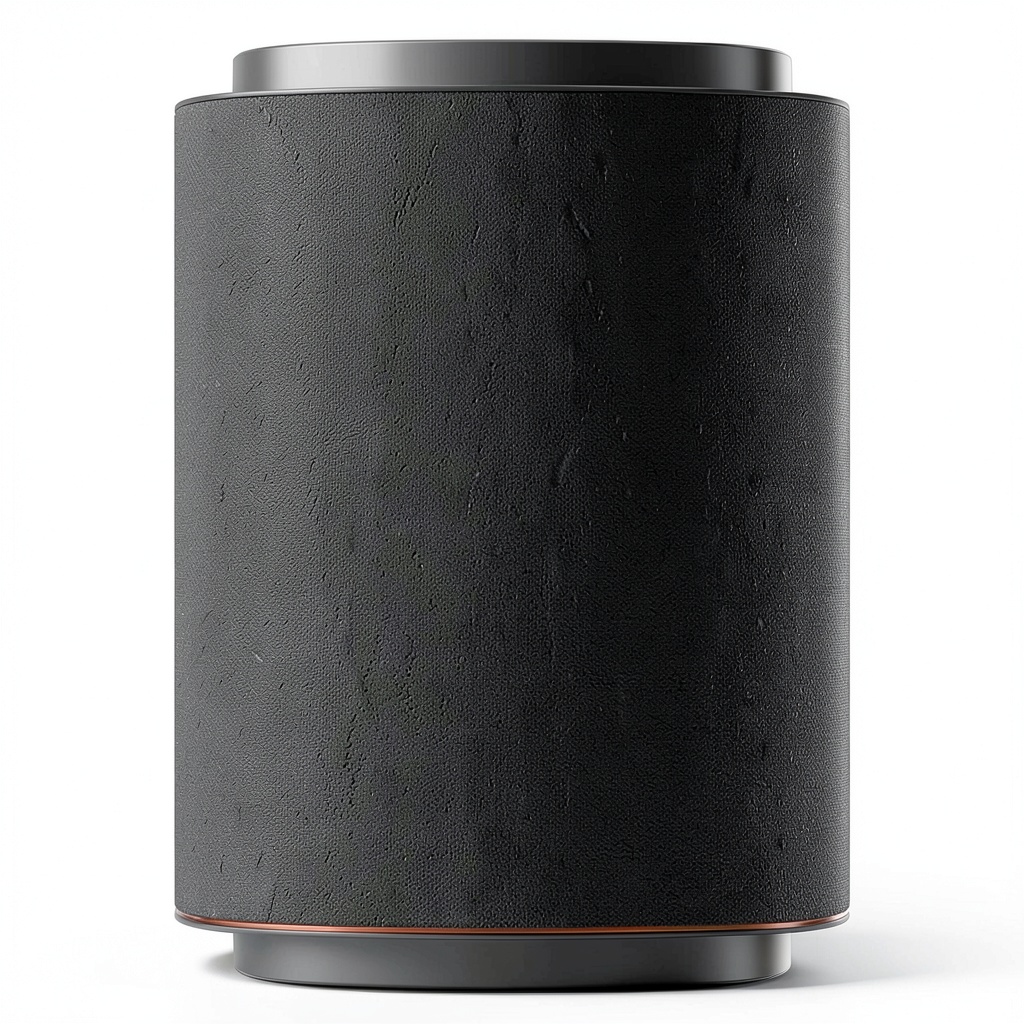 Wireless Spatial Speaker Dolby Atmos placed under TV in modern living room” />
Ease of Use & Setup
Setup is remarkably straightforward—power on, download the LG Sound Bar app, and follow the prompts. The Wi-Fi connection process took about three minutes in my testing, significantly faster than some competing systems I’ve reviewed. The app automatically detected the speaker and guided me through room calibration.
Where it gets interesting: Multi-room audio setup is where the M7 distinguishes itself from Bluetooth-only speakers. I paired it with another LG speaker in a different room, and the synchronization was flawless for whole-home audio. The Wi-Fi connection means no dropouts when moving between rooms, a common frustration with Bluetooth-based systems.
Voice assistant integration works adequately but isn’t seamless. You need to explicitly enable the feature in the app, and there’s a slight delay when activating Google Assistant compared to native smart speakers. It’s functional for basic commands but not ideal for those prioritizing smart home integration.
Durability & Reliability
After extensive daily use, the M7 has shown no signs of performance degradation or connectivity issues. The unit runs cool even during extended movie marathons, and the auto-standby feature reliably conserves power when not in use.
Long-term consideration: The lack of user-serviceable parts means this is essentially a sealed system. While build quality suggests longevity, any hardware failures would likely require professional service. The one-year warranty is standard but shorter than some competitors offering two or three years of coverage.
Pros & Cons
Pros:
- Authentic Dolby Atmos height effects from a single speaker unit
- Superior Wi-Fi stability compared to Bluetooth-focused alternatives
- Elegant, discreet design that complements modern interiors
- Simple setup process accessible to non-technical users
- Excellent vocal clarity for movies and dialogue-heavy content
- Reliable multi-room synchronization with compatible LG speakers
Cons:
- Bass response lacks physical impact for home theater enthusiasts
- No HDMI eARC limits high-bandwidth audio from modern TVs
- Voice assistant integration feels like an afterthought
- Premium price point compared to basic soundbars with similar connectivity
- Limited to medium-sized rooms; struggles in very large spaces
Comparison & Alternatives
Cheaper Alternative: Sonos Ray Soundbar ($279)
The Sonos Ray offers excellent sound quality and rock-solid multi-room capabilities at a slightly lower price point. However, it lacks Dolby Atmos support and the spatial audio processing of the M7. Choose the Ray if: Multi-room music is your priority and you’re willing to sacrifice Atmos immersion for Sonos’ ecosystem reliability.
Premium Alternative: Sonos Arc ($899)
The Sonos Arc represents the next tier of single-unit Atmos speakers, with more drivers, superior bass response, and seamless smart home integration. The price difference is significant, but the audio performance gap is noticeable. Choose the Arc if: Budget isn’t a primary constraint and you want the best possible Atmos performance from a single speaker.
Value Analysis: The M7 occupies a sweet spot between these alternatives. It delivers genuine Atmos effects that the Ray can’t match, while costing significantly less than the Arc. For most users wanting to step up from basic audio without investing in a full home theater system, the M7 represents compelling value.
Buying Guide / Who Should Buy
Best for beginners: If you’re new to spatial audio and want an approachable entry point, the M7 is ideal. The setup process is frustration-free, and the performance improvement over TV speakers or basic soundbars is immediately apparent. You’ll appreciate the simple app control and reliable operation.
Best for apartment dwellers: The M7’s balanced sound profile and lack of overwhelming bass make it perfect for shared living situations. You get immersive audio without disturbing neighbors, and the compact footprint fits well in smaller spaces.
Not recommended for: Home theater enthusiasts seeking reference-quality bass response or those with very large, open-plan living spaces. The M7 simply can’t deliver the physical impact or volume levels needed for these scenarios. Also not ideal for those prioritizing smart home integration over pure audio performance.
FAQ
Can the LG Sound Suite M7 truly replace a 5.1 surround system?
No, but it comes surprisingly close for a single unit. The Atmos height channels create vertical immersion that traditional surround sound can’t match, but you’ll miss the discrete rear speaker effects. It’s an excellent compromise for spaces where running speaker wires isn’t practical.
How does the M7 handle music versus movie content?
It performs exceptionally well with both, but with different strengths. Movies benefit from the spatial processing and dialogue clarity, while music shines in the detailed mid-range and stable high-resolution streaming. The tuning leans slightly toward home theater optimization.
Is the Dolby Atmos effect noticeable in everyday viewing?
Yes, but it depends heavily on your content source. Native Atmos content from streaming services shows the most dramatic improvement. With standard stereo content, the upmixing is subtle but effective at creating a wider soundstage.
What’s the real advantage of Wi-Fi over Bluetooth?
Stability and quality. Wi-Fi maintains connection consistency throughout your home, supports higher-resolution audio formats, and enables seamless multi-room synchronization. Bluetooth is convenient for quick connections but can drop out and is limited by compression.
Is the LG Sound Suite M7 worth $300 in 2026?
For users specifically seeking Dolby Atmos immersion in a simple package, absolutely. If spatial audio isn’t a priority, you can find capable speakers for less. The value proposition hinges on how much you value the Atmos experience versus basic audio improvement.

 Jabra Engage Ear Cushions Black Leatherette Replacement